
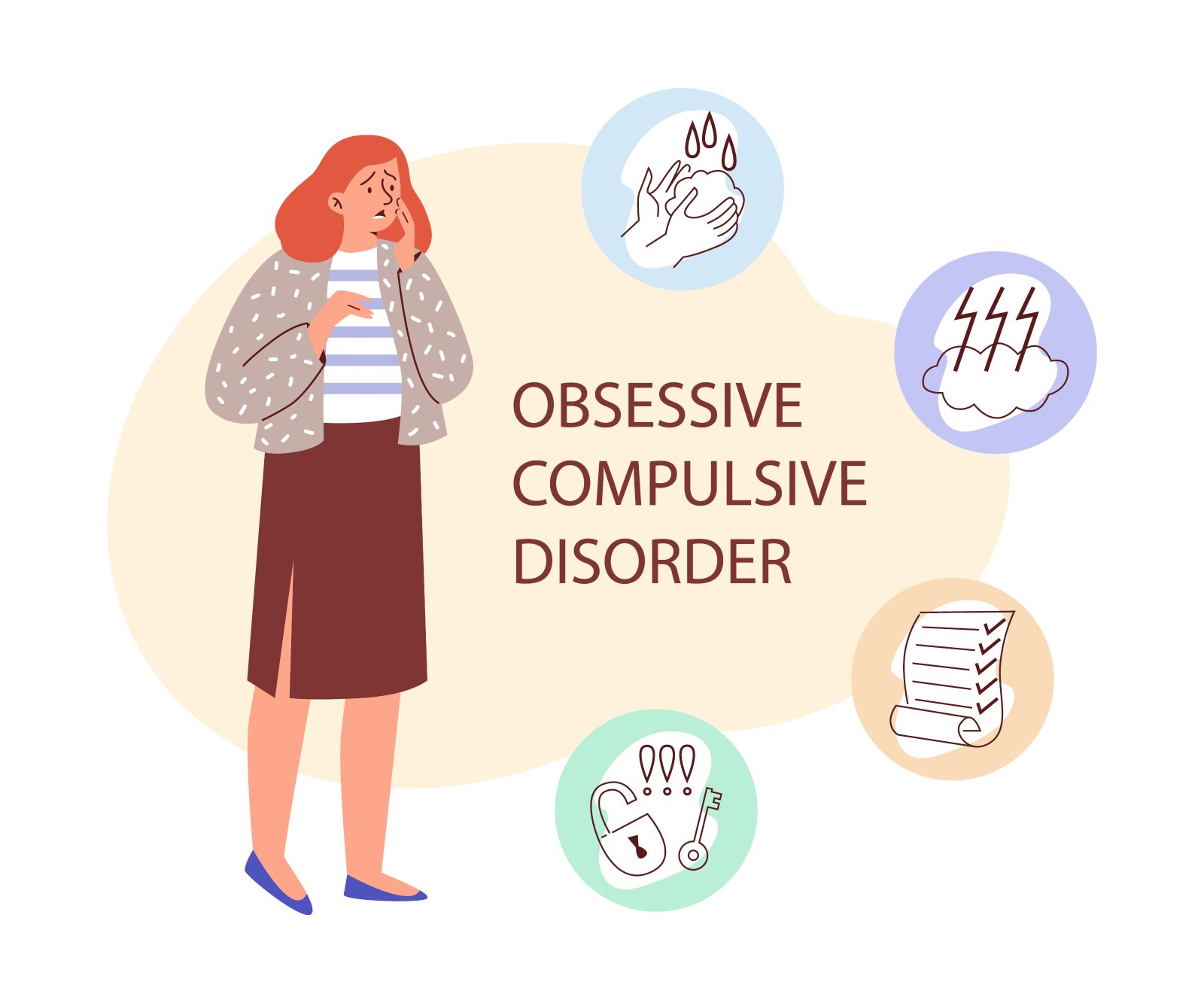
What is Obsessive-Compulsive Disorder (OCD)?
Obsessive-Compulsive Disorder, or OCD, is a mental health condition. People with OCD have unwanted thoughts called obsessions. They also feel the need to do certain actions, called compulsions, over and over. For example, someone may worry about germs and wash their hands many times. OCD can affect daily life, work, and relationships. According to the World Health Organization (WHO), OCD is common and can start in childhood or early adulthood. Early help can make a big difference.
Common Symptoms of OCD
OCD symptoms include both obsessions and compulsions. Not everyone has the same symptoms. However, most people notice patterns that repeat. Here are some common signs:
For example, a person may:
These actions can take up a lot of time. As a result, daily tasks may become hard to finish.
Causes and Risk Factors
Doctors do not know the exact cause of OCD. However, several factors may play a role. These include:
Even though anyone can develop OCD, it often starts in the teen years or early adulthood. Sometimes, children can show signs too.
How OCD is Diagnosed
Doctors diagnose OCD by talking with the person. They ask about thoughts, feelings, and actions. There is no single test for OCD. Instead, doctors use guidelines from the American Psychiatric Association. They look for:
Sometimes, doctors may check for other health issues. This helps rule out other causes.
Treatment Options for OCD
OCD treatment can help most people manage their symptoms. Treatment often includes therapy, medication, or both. Here are the main options:
Sometimes, a combination of therapy and medication works best. In rare cases, other treatments may be needed if symptoms are severe.
Lifestyle Tips for Managing OCD
Along with medical treatment, daily habits can help manage OCD. For example, you can:
Because stress can make symptoms worse, finding ways to relax is important. Even small changes can help you feel better.
Prevention and When to Seek Help
There is no sure way to prevent OCD. However, early treatment can stop symptoms from getting worse. If you notice signs of OCD in yourself or a loved one, do not wait. For example, seek help if:
Remember, OCD is a medical condition. With the right support, people with OCD can lead full lives.
Consult a mental health professional for personalized advice on Obsessive-Compulsive Disorder.