Anxiety disorders are common mental health conditions that affect millions of people worldwide. They cause strong feelings of worry, fear, or nervousness. Post-Traumatic Stress Disorder (PTSD) is one type of anxiety disorder. However, it has unique features that set it apart. In this blog, we will explore PTSD and its link to anxiety disorders. We will also discuss symptoms, diagnosis, and treatment options.
What Are Anxiety Disorders?
Anxiety disorders are a group of mental health conditions. They make people feel anxious or fearful in ways that affect daily life. For example, some people may worry about things that are unlikely to happen. Others may feel panic in certain situations. There are several types of anxiety disorders, including:
Although each type is different, they all share symptoms of anxiety. According to the World Health Organization (WHO), anxiety disorders are among the most common mental health issues globally.
Understanding PTSD (Post-Traumatic Stress Disorder)
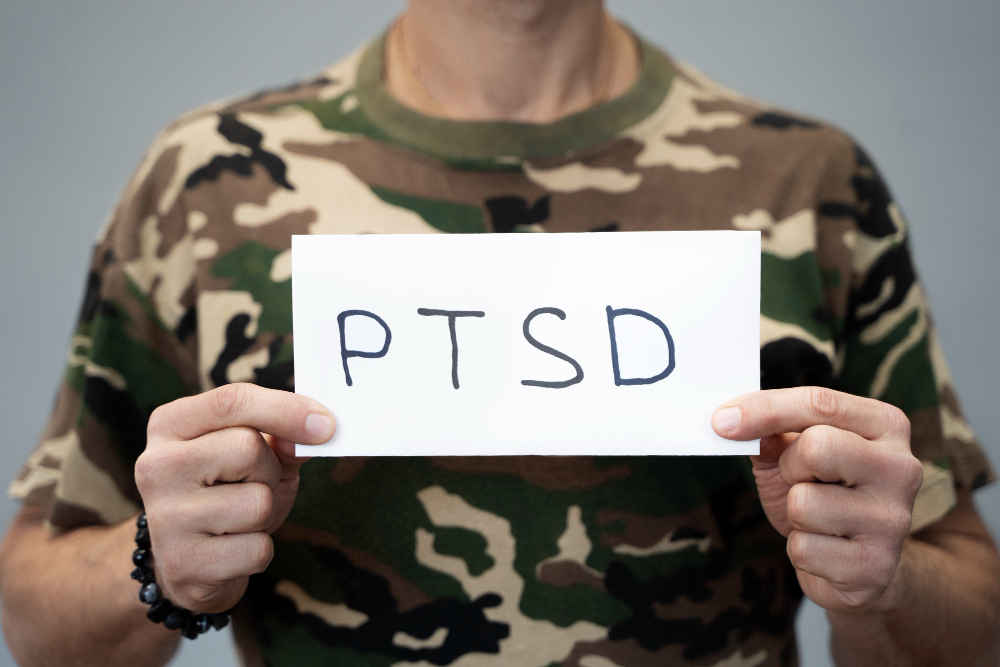
PTSD is a mental health condition that can develop after a person experiences a traumatic event. For instance, this could be a car accident, natural disaster, or violence. Not everyone who faces trauma will develop PTSD. However, for some, the effects last long after the event is over. People with PTSD may relive the event through flashbacks or nightmares. They may also avoid places or things that remind them of the trauma.
How PTSD Is Linked to Anxiety Disorders
PTSD is often grouped with anxiety disorders because it shares many symptoms. For example, people with PTSD may feel anxious, restless, or on edge. They may also have trouble sleeping or concentrating. In addition, PTSD can lead to other anxiety disorders, such as panic disorder or social anxiety. The link between PTSD and anxiety disorders is strong. Both involve changes in how the brain handles stress and fear. According to the CDC, people with PTSD are at higher risk for other anxiety disorders.
Common Symptoms
PTSD and anxiety disorders have many overlapping symptoms. However, some are unique to PTSD. Here are common signs to watch for:
While some symptoms are mild, others can disrupt daily life. If you notice these signs, it may be time to seek help.
Causes and Risk Factors
Many factors can lead to PTSD and anxiety disorders. Some people are more at risk than others. Common causes and risk factors include:
Although anyone can develop these conditions, some people are more likely to be affected due to their background or experiences.
Diagnosis and When to Seek Help
Doctors diagnose PTSD and anxiety disorders through careful evaluation. They may ask about your symptoms, medical history, and recent life events. Sometimes, they use questionnaires or screening tools. If you have symptoms that last more than a few weeks, it is important to seek help. Early diagnosis can lead to better outcomes. For example, talking to a mental health specialist can help you understand your condition and find the right treatment.
Treatment Options
Treatment for anxiety disorders and PTSD often includes a mix of therapies. The right plan depends on your needs. Common treatments include:
In many cases, combining therapy and medication works best. However, each person is different. Therefore, it is important to work with your doctor to find the best approach.
Lifestyle Tips and Prevention
While not all cases can be prevented, healthy habits can lower your risk. Here are some tips to help manage anxiety and PTSD symptoms:
Although recovery takes time, small steps can make a big difference. Support from loved ones also plays a key role.
In summary, PTSD and anxiety disorders are closely linked. Both can affect your daily life, but help is available. Consult a mental health specialist for personalized advice and support.
Sources: Centers for Disease Control and Prevention (CDC), World Health Organization (WHO), National Institutes of Health (NIH)