
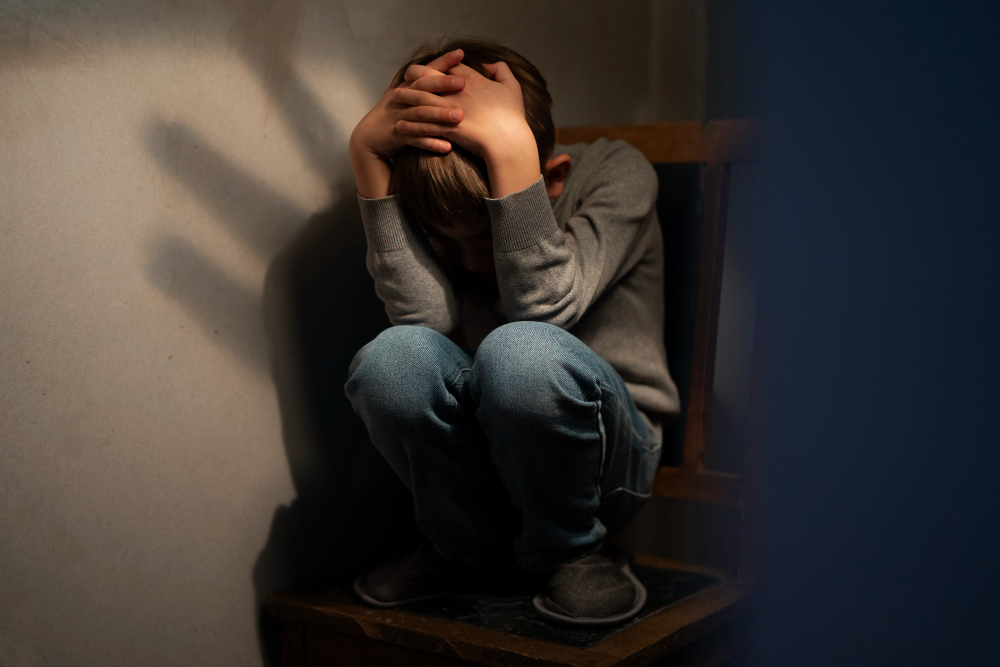
What Are Phobias?
Phobias are strong fears of certain things or situations. For example, some people fear heights, spiders, or flying. These fears can feel overwhelming. Often, phobias cause people to avoid what they fear. As a result, daily life can become difficult. According to the World Health Organization (WHO), phobias are common mental health issues. However, with the right help, most people can manage or overcome them.
Why Treatment Matters
Many people think they can live with their phobias. However, untreated phobias can limit your life. For instance, you may avoid work, school, or social events. Over time, this can lead to stress, sadness, or even depression. Therefore, seeking treatment is important. With support, you can learn to face your fears and enjoy life again.
Common Treatment Options for Phobias
There are several proven ways to treat phobias. Each person is different, so what works best may vary. Below are some of the most common phobia treatment options:
According to the Centers for Disease Control and Prevention (CDC) and medical journals, these approaches are safe and effective for most people.
How to Choose the Right Treatment
Choosing the right treatment for phobias depends on your needs. First, talk to a mental health professional. They can help you understand your options. Next, consider these points:
Sometimes, a mix of treatments works best. For example, you might use therapy and self-help together. Remember, it is okay to ask questions and share your concerns.
Tips for Managing Phobias in Daily Life
Even with treatment, daily life can be challenging. However, there are simple ways to cope. Try these tips:
With time and effort, you can make progress. Also, celebrate small wins along the way.
When to Seek Professional Help
Sometimes, self-help is not enough. If your phobia stops you from living your life, it is time to get help. For example, if you avoid important places or feel very anxious, reach out to a mental health specialist. Early treatment can make a big difference. Remember, you are not alone, and help is available.
If you or someone you know struggles with phobias, consult a mental health specialist for personalized guidance on overcoming phobias.